

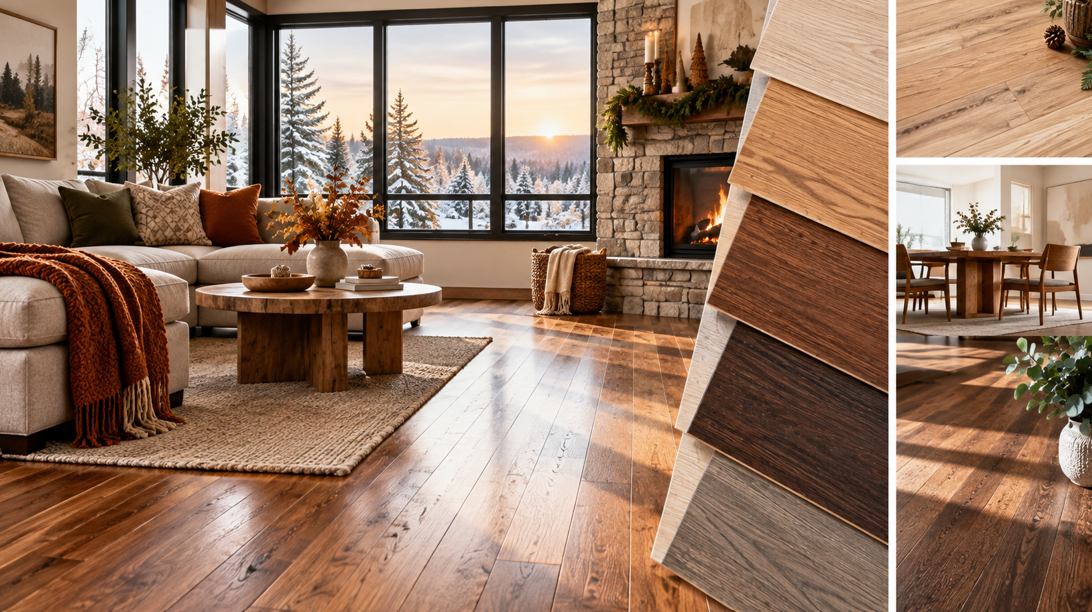
As the year begins to wind down, many homeowners start looking ahead to the projects they want to complete before winter settles in or before a new year of home improvements begins. Flooring is often high on that list, especially when existing floors are worn, dated, difficult to maintain, or no longer fit the style of the home.
For homeowners in Colfax, Washington, hardwood flooring remains a strong option because it combines natural character with long-term appeal. It can suit traditional homes, farmhouse-inspired interiors, updated open-plan spaces, and contemporary renovations without feeling tied to a single decorating trend.
Choosing hardwood, however, involves more than deciding whether you like light or dark wood. Species, construction, plank width, finish, texture, maintenance expectations, room conditions, and installation requirements all influence how the floor will look and perform.
At Superior Floors, homeowners can compare flooring with the practical realities of Palouse-region living in mind. Superior Floors Inc brings more than 80 years of combined family flooring expertise to these decisions, helping customers choose materials that make sense for both the appearance of the home and its long-term needs.
If hardwood flooring is part of your year-end renovation plans, this guide can help you understand the styles, design directions, and practical considerations worth thinking about before making a final choice.
Why Hardwood Continues to Appeal to Homeowners
Hardwood has remained popular for generations because it offers something manufactured materials can only imitate: genuine natural variation.
Every board has its own grain, colouring, mineral markings, knots, and subtle differences. Once installed across a room, those variations create depth and character that can make a space feel warmer and more established.
Hardwood is also highly adaptable from a design perspective.
A natural oak floor can work with rustic furnishings, modern cabinetry, traditional trim, or clean contemporary décor. Darker wood can add formality and contrast. Lighter tones can brighten a space and make rooms feel more open.
That flexibility is valuable because flooring usually stays in place far longer than paint colours, furniture, or seasonal decorating choices.
A well-selected hardwood floor should not only suit the home today. It should provide a foundation that still works as the interior changes over time.
Year-End Trend: Natural-Looking Wood Tones
One of the most practical directions in hardwood design is a preference for wood that still looks recognisably natural.
Rather than heavily altering the appearance of the material, many homeowners are attracted to tones that allow grain and variation to remain visible.
Light-to-medium browns, warm natural finishes, and understated stains can create a welcoming appearance without dominating the room.
These colours also coordinate well with many of the materials commonly found in regional homes, including painted cabinetry, natural stone, brick, traditional wood trim, and neutral wall colours.
For a Colfax homeowner planning a year-end update, a natural-looking hardwood tone can be particularly useful if the goal is longevity.
Extremely distinctive colours may suit a particular decorating style for a few years, but more balanced tones often provide greater flexibility as furniture and finishes change.
The goal does not have to be choosing the safest possible floor. It is choosing a floor whose character comes primarily from the wood itself rather than from a short-lived decorative effect.
Warm Tones and the Character of Palouse Homes
Warmth is especially relevant when thinking about flooring in the Palouse.
The region's agricultural heritage, older properties, and natural landscape make warm wood finishes feel at home in many interiors. They can complement farmhouse details without making a room feel themed and can soften more contemporary spaces that contain white walls, painted cabinets, or streamlined furniture.
Warmth also becomes visually appealing during colder months.
As daylight becomes more limited and homeowners spend more time indoors, warmer wood tones can make living areas, dining rooms, and bedrooms feel more comfortable.
That does not mean every home needs a reddish or strongly golden floor.
Subtle warmth can come from the natural undertones of the species itself. Viewing samples in the home is one of the best ways to understand these differences because the same board can look noticeably different under daylight, warm artificial lighting, and surrounding wall colours.
Wider Planks for a More Open Look
Plank width has a major effect on the visual character of a hardwood floor.
Wider boards can create a more open, less visually busy appearance because there are fewer seams across the room. They can also show more of the natural grain pattern within each individual plank.
This makes wider hardwood particularly attractive in larger living areas and open-concept interiors.
However, wider is not automatically better.
An established home with smaller rooms or traditional architectural proportions may sometimes feel more balanced with a moderate plank width. Narrower boards may also suit homeowners who want a classic hardwood appearance.
The room, architecture, and desired style should guide the decision.
Rather than choosing plank width because it is considered fashionable, consider how the scale of the flooring relates to the scale of the space.
Matte and Low-Sheen Finishes
Finish sheen changes the way hardwood looks almost as much as colour does.
Highly reflective floors can create a formal appearance, but they may also show dust, footprints, and small surface imperfections more readily.
Matte and low-sheen finishes create a softer appearance and allow the grain of the wood to take more visual attention than the reflection from the surface.
This can suit both contemporary and rustic interiors.
Lower-sheen finishes can also feel more relaxed, which works well in family homes where the floor is meant to be lived on rather than treated as a display surface.
That does not mean matte finishes eliminate maintenance or hide every mark. They simply create a different visual effect that many homeowners find practical for everyday living.
Character-Rich Hardwood
Perfectly uniform flooring is not the only way to create an attractive interior.
Some homeowners prefer hardwood with visible grain variation, knots, tonal differences, and other natural characteristics.
These features can make the floor feel more individual and may be particularly appropriate in homes with rustic, farmhouse, or traditional influences.
Character-rich hardwood can also be forgiving from a visual standpoint.
A perfectly uniform floor may make a small scratch or colour variation stand out more. A naturally varied floor already contains differences from board to board, allowing signs of normal use to blend more easily into the overall appearance.
The amount of character is a personal preference.
Some homeowners want clean, consistent boards with minimal variation. Others want the floor to make the natural origin of the material obvious.
Seeing a larger installed sample or several loose boards together can help you understand how much variation to expect.
Solid Hardwood vs Engineered Hardwood
One of the most important decisions is whether solid or engineered hardwood is the better fit for the project.
Solid hardwood is made from a single piece of wood. It offers authentic construction and, depending on the product and condition, may be sanded and refinished multiple times over its lifespan.
Engineered hardwood also has a genuine wood surface but uses a layered construction underneath.
That structure can provide additional dimensional stability, which may make engineered hardwood suitable for certain installations where seasonal environmental changes need to be considered carefully.
The Palouse experiences cold winters, warmer summers, spring moisture, and seasonal changes in indoor humidity. Because wood responds naturally to environmental conditions, those factors should be part of the flooring conversation.
Neither solid nor engineered hardwood should automatically be considered superior.
The right choice depends on the room, subfloor, installation method, environmental conditions, desired lifespan, and the specific product being considered.
Homeowners exploring current hardwood flooring options should compare construction as carefully as colour and style.
Hardwood for Established Homes
Many regional homes have been standing for decades, and that can make flooring renovations more interesting.
Older properties may contain subfloors that are uneven, previous flooring layers, transitions between additions, or structural details that are different from those found in newer construction.
Before choosing hardwood, it is important to understand what is underneath the existing floor.
A beautiful flooring material cannot compensate for a subfloor that is unstable, excessively uneven, or affected by moisture.
Floor height should also be considered.
New hardwood may need to meet existing tile, carpet, stairs, doorways, or adjacent rooms. Planning these transitions before installation helps create a more finished result.
This is one of the reasons professional evaluation is valuable in established homes. Product choice and installation conditions should be considered together.
Matching Hardwood to Different Rooms
Hardwood can work in many parts of the home, but each room should still be evaluated individually.
Living rooms and dining rooms are natural candidates because appearance and continuity are often priorities. A single hardwood surface across connected gathering areas can make the home feel larger and more unified.
Bedrooms can also benefit from hardwood, particularly when homeowners want a clean surface that can be softened with area rugs.
Hallways deserve special consideration because they often receive more traffic than surrounding rooms. A suitable species and finish can help support long-term performance.
Kitchens require more thought because spills and moisture are part of daily use. Hardwood can work well when homeowners are comfortable cleaning spills promptly and maintaining the floor appropriately.
Bathrooms and moisture-prone basement areas generally require more careful evaluation before hardwood is selected.
The best plan is rarely based on appearance alone. Each room has its own traffic, moisture, and maintenance requirements.
Species and Hardness
Wood species influence colour, grain, and durability.
Some species naturally have more prominent grain patterns, while others appear quieter and more uniform. Natural colour also varies considerably.
Hardness can matter in busy households, but homeowners should avoid treating hardness ratings as the only measure of durability.
A harder wood may resist certain dents better, but finish quality, maintenance habits, grit, furniture movement, pets, and daily activity can all affect how a floor ages.
Very hard wood can still scratch.
The better question is whether you are comfortable with the way real hardwood develops character over time.
Homeowners who expect a permanently flawless surface may prefer different priorities from those who appreciate the natural patina of genuine wood.
Think About Pets and Family Activity
Busy households need flooring selected for real life.
Dogs can introduce claws, outdoor grit, and water bowls. Children bring toys, spills, moving chairs, and constant activity. Exterior doors can introduce moisture and dirt during Colfax's wet or snowy periods.
Hardwood can still work successfully in active homes, but good habits help.
A practical household hardwood plan may include entry mats, furniture pads, regular removal of abrasive grit, prompt spill clean-up, maintained pet nails, and rugs in particularly busy areas.
These are simple measures, but over many years they can make a noticeable difference.
Choosing a lower-sheen or more naturally varied floor may also make minor signs of everyday living less visually prominent.
Colour Should Work with Permanent Features
Flooring is one of the largest visual elements in a room.
Before choosing a hardwood colour, look at the parts of the home that are unlikely to change soon.
Cabinetry, stone, brick, fireplaces, interior doors, trim, and built-in furniture should all influence the decision.
The floor does not need to match these features exactly. In fact, too much matching can make a room feel flat.
Instead, look for compatible undertones.
If cabinetry has a strong warm undertone, a flooring sample with conflicting cool tones may appear disconnected. If the home contains several dark permanent finishes, a lighter hardwood might create useful contrast.
Samples should also be viewed at different times of day.
Morning daylight, afternoon sun, and evening artificial lighting can all change the way colour appears.
A year-end purchase should be based on how the floor looks in the actual home rather than under a single showroom light.
Consider Long-Term Maintenance
Hardwood is a long-term material, but longevity depends partly on care.
Regular sweeping or suitable vacuuming helps remove grit before it can act like sandpaper against the finish.
Spills should be dealt with promptly, and excessive water should be avoided during cleaning.
Furniture should have protective pads, particularly items that move frequently.
Indoor humidity is another consideration.
Because wood reacts to changes in its environment, maintaining reasonably consistent conditions can help reduce excessive seasonal movement.
The care routine does not need to be complicated, but homeowners should understand it before buying.
A floor is more likely to remain satisfying when its maintenance requirements fit naturally into the household.
Refinishing and the Long View
One reason homeowners continue to choose hardwood is its potential lifespan.
Many solid hardwood floors, and some engineered products with sufficiently thick wear layers, can be refinished when the surface eventually becomes worn.
This can allow a floor to remain in the home even as its appearance changes over time.
Refinishing can restore a worn surface, alter stain colour, or update sheen without requiring the entire floor to be removed.
Not every hardwood product can be refinished the same number of times, so homeowners who value this long-term flexibility should ask about construction before purchasing.
Thinking about the next twenty years rather than only the next two can change which product seems like the better value.
Planning a Year-End Hardwood Project
A successful year-end flooring project begins before installation day.
Start by identifying the rooms being updated and examining how they connect to neighbouring floors. Consider doors, stairs, trim, transitions, cabinetry, and furniture that will remain.
Next, think about your priorities: natural appearance, durability, refinishing potential, ease of maintenance, plank width, colour, and budget.
Then compare samples in the home itself.
Before the product is ordered, confirm that the subfloor and installation conditions are appropriate.
This process may seem more involved than selecting the first attractive sample, but flooring is a significant part of the home. Taking the time to compare materials carefully can help prevent compromises later.
Choose Hardwood for More Than a Trend
Year-end design trends can provide useful inspiration, but the best hardwood floor should outlast the trend that first caught your attention.
Natural tones, wider planks, lower-sheen finishes, and visible wood character can all create beautiful interiors. Yet the right combination depends on the architecture of the home, how the rooms are used, and what you want the floor to look like years from now.
For homeowners in Colfax, regional conditions should also remain part of the decision. Four distinct seasons, winter moisture, changing indoor conditions, and the character of established local homes can all influence flooring performance and installation planning.
Superior Floors Inc combines more than 80 years of family flooring expertise with knowledge of flooring needs throughout the Palouse region. Whether you are replacing an ageing floor, renovating an older property, or planning an updated look for the new year, selecting hardwood based on both design and practical performance can lead to a result that feels right well beyond the current season.
When you are ready to compare hardwood samples, discuss installation considerations, or plan your project, explore our flooring services and free estimate options for guidance based on your home, priorities, and long-term flooring goals.


